
Buy Finasteride Online
Propecia / Finasteride tablets for sale · Pack selection
Shop finasteride tablets online. Choose your prescribed strength, select your authorised tablet quantity and view the listed price of your medicine pack.
1 mg, 360-tablet pack
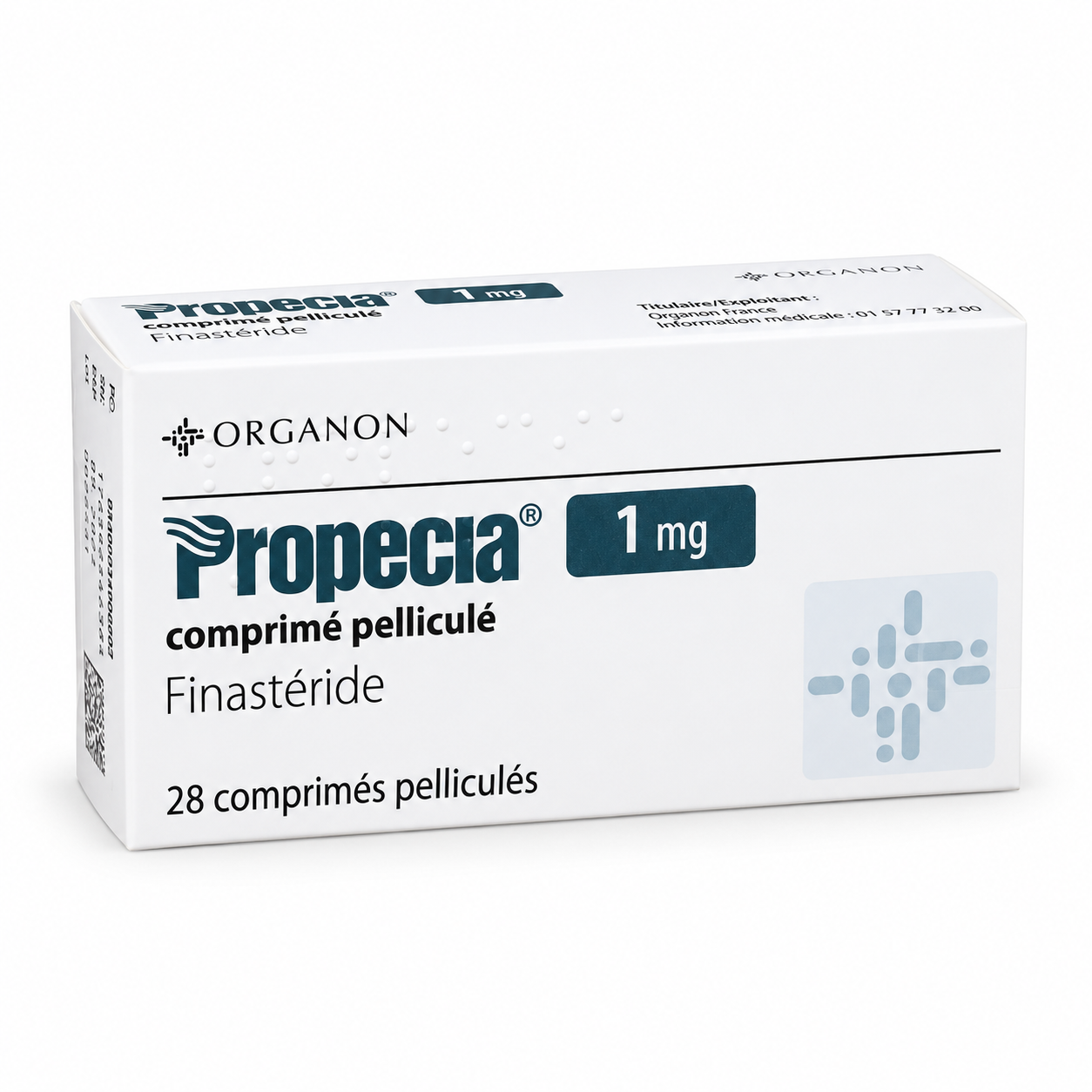
Illustrative packaging. Confirm the actual manufacturer, labelled medicine and pack size before purchase.
Finasteride Tablets — Pack Sizes & Prices
Open your prescribed strength and select the authorised tablet quantity. Prices are listed in USD. Your selected product appears in the summary below.
Finasteride 1 mg6 packs +
| Choose your pack | Per tablet | Pack price |
|---|---|---|
| $0.64 | $38.57 | |
| $0.62 | $55.76 | |
| $0.61 | $72.96 | |
| $0.60 | $107.36 | |
| $0.59 | $158.97 | |
| $0.58 | $210.56 |
Finasteride 5 mg7 packs +
| Choose your pack | Per tablet | Pack price |
|---|---|---|
| $1.41 | $42.44 | |
| $1.05 | $63.14 | |
| $0.93 | $83.84 | |
| $0.87 | $104.54 | |
| $0.81 | $145.94 | |
| $0.77 | $208.04 | |
| $0.75 | $270.14 |
Finasteride 5 mg · 30 tablets
$42.44 pack total $1.41 per tablet · USD
Finasteride 5 mg · 60 tablets
$63.14 pack total $1.05 per tablet · USD
Finasteride 5 mg · 90 tablets
$83.84 pack total $0.93 per tablet · USD
Finasteride 5 mg · 120 tablets
$104.54 pack total $0.87 per tablet · USD
Finasteride 5 mg · 180 tablets
$145.94 pack total $0.81 per tablet · USD
Finasteride 5 mg · 270 tablets
$208.04 pack total $0.77 per tablet · USD
Finasteride 5 mg · 360 tablets
$270.14 pack total $0.75 per tablet · USD
Finasteride 1 mg · 60 tablets
$38.57 pack total $0.64 per tablet · USD
Finasteride 1 mg · 90 tablets
$55.76 pack total $0.62 per tablet · USD
Finasteride 1 mg · 120 tablets
$72.96 pack total $0.61 per tablet · USD
Finasteride 1 mg · 180 tablets
$107.36 pack total $0.60 per tablet · USD
Finasteride 1 mg · 270 tablets
$158.97 pack total $0.59 per tablet · USD
Finasteride 1 mg · 360 tablets
$210.56 pack total $0.58 per tablet · USD
Pack selection only. No order or payment is submitted here. Prescription verification and final supply must be completed by an authorised pharmacy.
Buy Finasteride Online — Choose Your Tablet Pack
Shop finasteride tablets with the product name, strength, tablet quantity and pack price together. This page brings the practical details of a finasteride purchase into one place: the oral tablet options, the listed prices for each pack and the information you need to match a selection to your prescription. Open the strength you have been prescribed, choose the authorised quantity and keep the selected pack summary in view as you read.
If you are looking to buy finasteride online for an established hair-loss treatment plan, start with the exact tablet strength on your prescription. The 1 mg product is the hair-loss strength commonly associated with Propecia. The separate 5 mg listing has a different prescribing context and must not be chosen simply because it appears in the same catalogue. A clear product selection begins with the prescribed medicine, rather than an assumption about what every pack is intended to treat.
Our pack selector keeps the purchase details visible without sending you through an external resource. You can open a price panel, select a tablet count and see that row’s total in the summary. The selector does not submit an order or collect payment. It gives you a concrete finasteride product choice to review before an authorised pharmacy completes supply.
Buy Finasteride 1 mg Tablets
The 1 mg finasteride section is the main product area for visitors shopping for prescribed oral hair-loss tablets. Its rows show the number of tablets in each pack, the listed amount per tablet and the total pack price. Each quantity belongs to that same strength. Selecting a larger tablet count does not increase the strength of an individual tablet, and selecting a smaller pack does not change its active ingredient.
Before choosing a 1 mg pack, read the quantity field on your prescription and the directions supplied with it. If those instructions authorise a particular tablet count, choose that count where it is listed. If the prescribed quantity is not one of the displayed packs, ask the dispensing pharmacist how it can be supplied. Do not use a catalogue quantity as a reason to alter the course of treatment or take extra tablets.
People searching for finasteride 1 mg online often already know the medicine they want and need the purchase details quickly. For that reason, the price panel leads with the product strength and lets you reveal the pack list directly. You do not need to work through an evaluation article to locate a tablet quantity. Product information is available below for questions that arise while choosing your pack.
Finasteride 5 mg Packs
The separate 5 mg panel is a product listing for prescriptions that specify that strength. Its presence here is not a recommendation to use 5 mg for hair loss. Match both the strength and the treatment instructions to your own prescription before selecting it. If the product name, strength or intended use differs from what you expected, leave the selection unchanged until your prescriber or pharmacist resolves the difference.
Keep a record of the full product description when asking a pharmacy question. “Finasteride” alone leaves out the strength; “a large pack” leaves out the tablet count. A description such as finasteride 1 mg, with the exact listed number of tablets, lets the pharmacist identify the product you are asking about without relying on the packaging picture.
Buy Propecia — Finasteride Product Details
Propecia is a familiar brand name for finasteride hair-loss tablets. If your search began with “buy Propecia,” check the active ingredient and the strength in the product listing before selecting a pack. This page uses the brand name to identify the medication family; the photographed-style packaging is an illustration and does not establish which manufacturer will dispense a particular prescription.
When a prescription specifies a particular brand, tell the pharmacist that requirement before accepting supply. When it permits generic finasteride, the pharmacist should identify the manufacturer and the labelled product actually supplied. The listed pack prices alone cannot prove that a product is manufacturer-branded Propecia. Keep the product’s identity, its prescription instructions and its pack quantity together when reviewing the purchase.
The same approach applies if you are shopping for generic finasteride tablets. Use the active ingredient as the starting point, then confirm the strength and oral tablet form. A search result or a packaging illustration cannot replace the information on the dispensing label. The pack selector on this page helps organise the quantity and price, while the pharmacy confirms the actual supplied product.
Your Finasteride Pack, Quantity & Price
A useful finasteride product page should answer four purchase questions immediately: what medicine is listed, how much active ingredient is in each tablet, how many tablets are in the pack and what that pack costs. Each row above follows that structure. The total shown in your selection summary is the listed medicine-pack amount for that row. It is not a payment request.
The per-tablet figure provides a unit price for the selected listing. Use the pack total when recording what you have selected. Because unit figures may be rounded to two decimal places, multiplying the displayed unit amount by the number of tablets can produce a small difference from the published total. The total printed on the pack row remains the source figure displayed here.
If you return to the selector after reading the product details, confirm the selected radio control and its summary again. Opening another strength panel only reveals its rows; it does not automatically replace your selected pack. Choose the row deliberately so that the summary contains the strength and quantity you intended to review.
Delivery, dispensing, consultation or other service charges are not included unless explicitly stated in a final pharmacy quote. Those charges are not invented on this page. The displayed product figures are a starting point for the medicine selection; the authorised supplier must confirm the complete amount and the dispensing details before any purchase is completed.
Prepare a Finasteride Refill
For an ongoing prescription, keep your current label or prescription record available while you select a pack. Check the medicine name, tablet strength and authorised quantity against the row you choose. Also check whether the prescription still allows a refill. A previously supplied pack does not by itself show that the current prescription remains valid or that the same amount can be dispensed again.
It is useful to note the tablets you already have and the date of your next planned review. Bring those details to the pharmacist if there is any uncertainty about the supply amount. The product selector does not calculate how long a pack will last because your prescribed instructions may be individual. Your own directions determine use; the catalogue row describes the product being selected.
Keep refill questions specific. Ask about the exact finasteride strength and quantity, the current prescription and any change in the manufacturer or tablet appearance. A focused question is easier to resolve than a request for an unspecified hair-loss medicine. Once the details are confirmed, you can return to the relevant pack row without having to repeat the entire product search.
Shop Finasteride Tablets With Clear Product Information
The product image gives this page a recognisable medicine presentation, while the written listing gives you the details that matter for selection. Read the active ingredient, tablet strength and quantity separately. Text on an illustrative carton may show one example strength or pack size; the selector can contain other prescribed variants. The written row you select is the description of your chosen listing.
If you need the exact manufacturer, tablet imprint, coating, excipients or carton supplied, obtain that information from the dispensing pharmacy. These details can matter when a prescription requires a particular product or when you have an allergy to an inactive ingredient. They cannot be reliably inferred from a general illustration, even when that illustration closely resembles real medicine packaging.
The product sections are designed to stay useful throughout the purchase process. You can use the strength panel for a quick quantity check, the price summary to record the pack amount, and the medicine details below to prepare a question. Each action keeps you on the same medication page. No external resource links interrupt the product selection.
Record Your Selected Finasteride Product
Before discussing supply, write down the medicine name, strength, tablet count and listed total. Include a brand requirement if your prescription has one. This short record captures the product you chose more accurately than a screenshot of the carton alone. It also helps identify whether a later pharmacy quote concerns the same listing.
When the pharmacy provides its final product information, read the dispensing label before use. Confirm that it matches the prescription and that the instructions are understandable. Ask about any unexpected difference in the medicine, strength, form or quantity. Keeping these checks tied to your selected pack makes the purchase process clearer without replacing professional dispensing checks.
A product page should not promise a treatment result to encourage an order. Finasteride purchasing is about obtaining the medicine prescribed for you in the correct form and quantity. The response to treatment, continued prescribing and follow-up are separate clinical matters. The commercial information here supports a precise tablet selection, with the essential medicine information placed below.
Choose Your Finasteride Pack With Confidence
1. Product
Confirm Finasteride, the oral tablet form and the exact strength written on your prescription. Keep any manufacturer or brand requirement with those details so the pharmacy can identify the intended supplied product.
2. Pack
Open the matching strength panel and select the tablet quantity authorised for you. The row describes a medicine pack. Your prescription separately determines when and how the tablets should be taken.
3. Price
Read the pack total and the unit price together. The selected summary reproduces the figures on that row, so you can keep a clear record of the product and quantity you are reviewing.
4. Supply
Before completing a purchase, have the authorised dispensing pharmacy confirm the prescription, exact product and complete charges. Selection here does not place an order or guarantee that a prescription will be supplied.
Keep the Product Details Together
When you buy finasteride, small differences in the product description matter. The strength is the amount stated for an individual tablet. The pack quantity is the number of tablets in the listing. The pack total is the medicine amount displayed for that selection. Keeping these fields together prevents a shorthand request from losing information that the pharmacist needs.
You may want to record the selected row before asking a question or arranging a refill. Include the medicine name, the strength in milligrams and the tablet count. If your prescription has a brand or formulation requirement, include that too. This record is useful when checking that a later supply confirmation refers to the same finasteride product.
Product Availability and Final Supply
The presence of a price row is not a live stock confirmation. Before any transaction, the dispensing pharmacy must confirm that the exact prescribed product can be supplied to you. This page does not invent warehouse quantities, dispatch deadlines or eligibility guarantees. The selector is a product-planning tool with specific pack data.
If a pharmacy needs clarification of the prescription, resolve that clarification before changing your chosen product. An unavailable quantity does not authorise a different strength or a different medicine. Ask how the prescription can be fulfilled and keep the answer with your product record. The correct finasteride selection remains the one that matches the authorised supply.
Check the Labelled Product on Receipt
Read the medicine name, strength, instructions and quantity on the dispensing label before use. Keep the accompanying patient leaflet. If anything is unexpected or difficult to understand, ask the pharmacist before taking a dose. A difference in appearance can have several explanations, so identify the actual manufacturer and labelled product instead of relying on a catalogue illustration.
Retain the original labelled packaging while you use the medicine. It helps preserve the instructions and product identification for later questions. If you are organising medicines into a separate container, first ask your pharmacist whether that is suitable for the particular supplied product. Clear identification remains useful after the purchase as well as during selection.
Finasteride — Essential Medicine Information
Finasteride is a prescription 5-alpha reductase inhibitor used for male pattern hair loss and benign prostate enlargement. The indication and prescribed strength must be confirmed individually. Hair growth changes take time, and results are not guaranteed. Use the medicine only as prescribed; a pack quantity is not a dosing instruction.
Precautions and Symptoms to Discuss
Discuss sexual symptoms, fertility concerns, liver disease, prostate history and current medicines with your clinician. Pregnant people or those who may become pregnant should not handle crushed or broken tablets. Seek prompt advice for breast changes, significant mood changes or allergic symptoms. Breathing difficulty or immediate danger requires emergency help.
Using and Keeping Your Supplied Medicine
Keep the labelled container closed, away from moisture, excessive heat and children. Inform healthcare professionals that you take finasteride, including before prostate-related testing. Read the supplied patient leaflet and ask your pharmacist about missed doses, handling, storage and disposal.
General medicine information cannot determine whether this prescription is suitable for you. Ask your pharmacist for the product-specific patient leaflet and follow your prescriber’s instructions.
Buying Finasteride Online — Product Questions
How do I choose a finasteride pack on this page?
Use the strength stated on your prescription to open the matching price panel. Each row gives a tablet count, a unit amount and a total pack price. Select the row with the quantity authorised for you. The summary below the tables will show that selected finasteride strength, tablet count and listed total. You can change a selection by choosing another row; revealing a panel alone does not submit or change an order.
What is included in the displayed pack price?
The figure is the listed price of the medicine pack shown in that row. It is not a payment request or a final delivered quote. Any dispensing, consultation, delivery or other charges must be confirmed by the pharmacy before a transaction. The unit amount may be rounded, so keep the printed pack total with the selected strength and quantity when recording the product details.
Can I buy finasteride simply by selecting a row?
No order is submitted by the selector. It lets you review the tablet packs and the medicine amount associated with each listing. Finasteride supply must follow an appropriate prescription and authorised pharmacy dispensing. Before completing a purchase, confirm the exact product, permitted quantity and complete charges. This page does not collect payment, run an eligibility assessment or issue a prescription.
Does the product image show the exact pack I will receive?
The image is an illustrative medicine presentation. A supplied carton, manufacturer, tablet appearance or pack size may differ. Use the written row for the selected strength and quantity, then ask the pharmacist to identify the product actually dispensed. If a particular brand or manufacturer is required by your prescription, communicate that requirement before accepting supply rather than assuming that the illustration confirms it.
Can I choose a quantity that is different from my prescription?
The authorised prescription quantity remains the starting point. If it is not among the listed finasteride packs, ask the dispensing pharmacist how it can be supplied. A catalogue quantity does not extend the prescription or determine treatment duration. Do not select a different strength to create the quantity you wanted. Keep the product question specific to the prescribed form, strength and authorised tablet count.
What should I check when arranging a finasteride refill?
Keep your current prescription or dispensing label available. Confirm the product name, strength, quantity and whether a refill remains authorised. Also keep any updated instructions from your clinician with the record. If the pharmacy proposes a different manufacturer or package, ask for the exact product information. A prior purchase does not automatically confirm that a current prescription can be filled in the same amount.
Where can I find the medicine information after selecting a pack?
The finasteride medicine section is directly below the commercial product details. Use the compact page navigation to reach it without leaving this page. It provides a short overview and key precautions, while the supplied patient leaflet and your own prescription remain the detailed instructions for your product. Keep medicine questions with the pharmacist or prescriber who can address the actual prescription and your circumstances.
What if the selected product details do not match the pharmacy confirmation?
Pause the purchase and ask the pharmacist to clarify the discrepancy. Give the full selected description, including Finasteride, the tablet strength and tablet count, together with your prescription. A product page cannot resolve a mismatch in the supplied medicine or instructions. Once the exact authorised product is confirmed, review the corresponding listing again and keep the final pharmacy information with your records.
Medical Reviewer

Medically reviewed by
Urology and men’s health · medication safety and reproductive considerations
Medical review completed August 27, 2026
The original medical reviewer card and August 27, 2026 review date are retained from the prior clinical edition. Product and commercial content updated October 4, 2026; this update does not represent a new medical review. Essential medicine information checked against MedlinePlus drug information.