

Yeast Infection Symptoms After Treatment
Yeast infection symptoms that persist, return, or change after treatment should be reassessed rather than automatically treated again. The next question is whether candidiasis was correctly identified, whether the presentation is complicated, whether a different Candida species is involved, or whether another vaginal or vulvar condition better explains the symptoms.

Medically reviewed by
Infectious diseases and antimicrobial stewardship
Medical review completed August 27, 2026
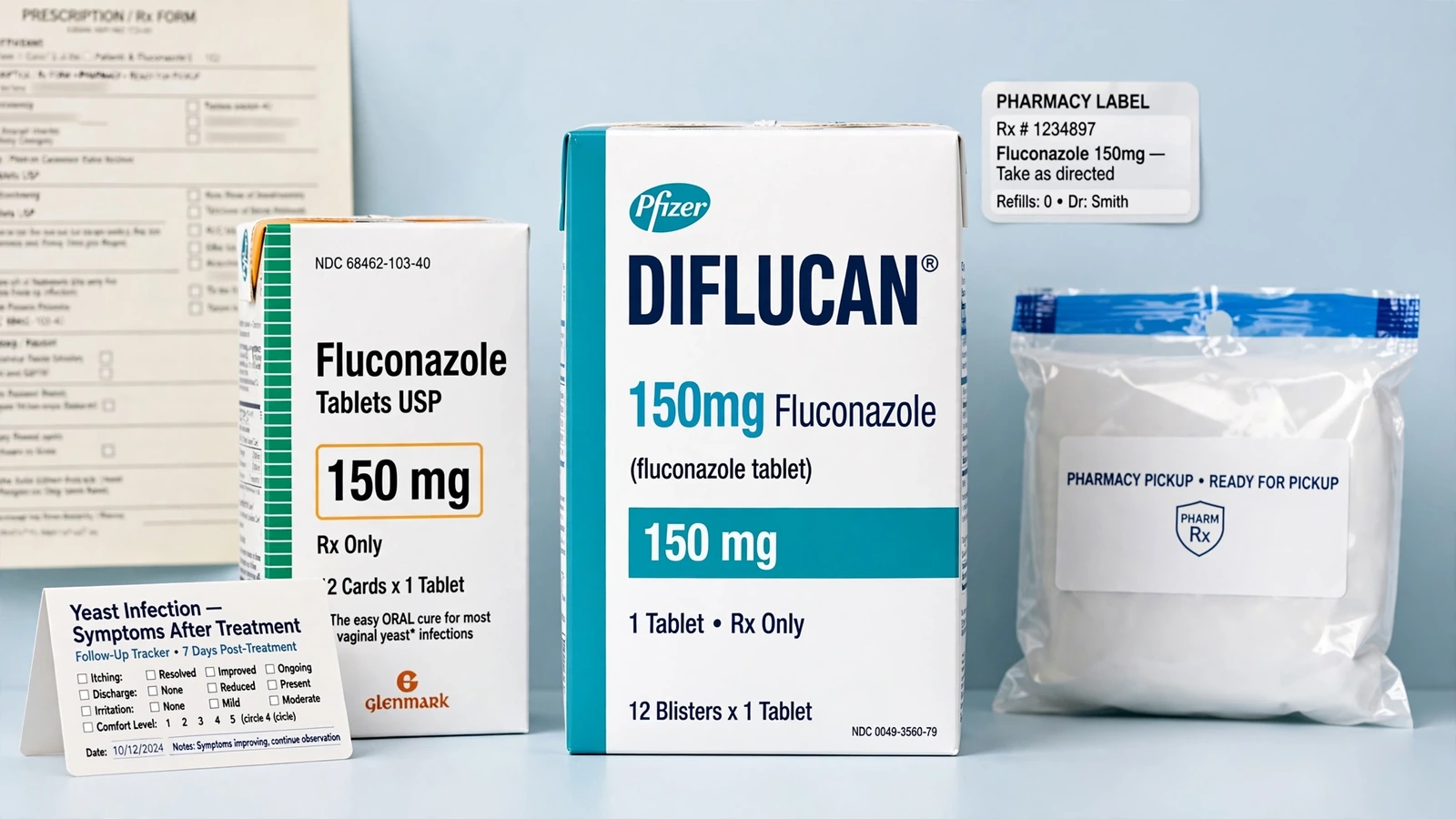
Course and safer response
| Decision point | What it can mean | Safer action |
|---|---|---|
| Steady improvement | Continue the prescribed plan and monitoring instructions. | Ask if the expected course was not explained. |
| No meaningful improvement | Request reassessment of diagnosis and treatment fit. | Do not repeat automatically. |
| Symptoms return | Document the symptom-free interval and new pattern. | Recurrent disease may need testing. |
| New red flags | Change care setting promptly. | Do not wait for routine online follow-up. |
A safer step-by-step pathway
Review the original diagnosis
Was candidiasis confirmed, considered likely, or assumed from symptoms?
Document the treatment
Record product, route, dates, adherence, and any adverse effects.
Describe the response
Separate no improvement, partial improvement, full resolution, and recurrence.
Report new features
Odor, pain, fever, bleeding, sores, urinary symptoms, or pregnancy changes the differential.
Ask for a new decision
The clinician may recommend examination, culture, other testing, or a different plan.
Why symptom persistence is not simply a request for more medicine
An unchanged course raises uncertainty about diagnosis, organism, treatment fit, or adherence. Repeating the same approach assumes away each of those questions. Reassessment can protect against treating bacterial vaginosis, dermatitis, trichomoniasis, urinary disease, or another condition as candidiasis.
Distinguishing persistence from recurrence
Persistence means symptoms did not fully resolve, while recurrence follows a period of improvement or resolution. The distinction is clinically useful because it changes the questions about treatment response, reinfection, species, contributing factors, and whether the original diagnosis was correct. For more detail on this decision, review Recurrent Yeast Infection Evaluation and Follow-UpReturn to the parent clinical guide..
When testing may enter the plan
Testing becomes more valuable after treatment failure, with repeated episodes, severe symptoms, pregnancy, or an atypical pattern. Culture can help confirm Candida and identify species in selected cases, while other tests may look for bacterial vaginosis or sexually transmitted infections.
Adverse effects versus infection symptoms
New rash, swelling, breathing difficulty, fainting, or signs of liver injury should not be interpreted as the infection worsening. They may represent a serious medicine reaction and require prompt help. Keep the prescription information available when contacting a clinician or emergency service.
What to tell the follow-up clinician
Provide the original symptom pattern, how diagnosis was made, exact treatment and dates, missed doses or administration problems, response timeline, new symptoms, pregnancy information, conditions, and current medicines. This lets the clinician evaluate the course without reconstructing it from a single label. A related clinical question is covered in Recurrent Yeast Infection Evaluation ChecklistContinue with this related question in the same clinical branch..
Preventing another uncertain cycle
Before the encounter ends, ask what improvement should look like, when to follow up, whether testing is needed before another treatment, and which features require a different setting. A written plan makes the next decision evidence-based rather than another round of guesswork.
Judge the response against the original plan
Follow-up starts with what was diagnosed and what treatment was actually used. Record when treatment began, whether it was completed as directed, which symptoms improved, which remained, and whether any new symptom appeared. Do not treat a partial response as proof that more of the same medicine is required; irritation, another infection, a noninfectious condition, or a less typical Candida pattern may need a different evaluation.
Use the follow-up route provided by the clinician. Persistent or returning symptoms may justify examination or testing, while fever, severe pelvic pain, fainting, heavy bleeding, pregnancy-related concern, or rapid worsening needs prompt assessment. Keep the original instructions and any results available so the next decision starts with evidence rather than memory.
Common mistakes that weaken the decision
- Assuming persistent itching proves resistant yeast.
- Taking an extra or leftover dose without reassessment.
- Failing to distinguish no improvement from symptoms that cleared and returned.
- Attributing serious medicine reactions to the infection.
Frequently asked questions
Should I repeat fluconazole if symptoms remain?
Do not repeat it automatically. Contact the clinician so the diagnosis, response, interactions, and need for testing can be reassessed.
Why might symptoms continue despite antifungal treatment?
The diagnosis may be different, the presentation may be complicated, another Candida species may be involved, or irritation may have another cause.
When might culture be useful?
Culture can be considered for persistent, recurrent, complicated, or unclear symptoms to confirm Candida and identify species.
What medicine reactions need urgent help?
Trouble breathing, facial swelling, blistering rash, fainting, or signs of liver injury require prompt medical attention.
What should I record before follow-up?
Record the original diagnosis, exact treatment, dates, adherence, response timeline, new symptoms, and current medicines.
Authoritative sources
Sources were checked for this version on August 27, 2026. Links open the official publisher in a new tab.
- CDC STI Treatment Guidelines: Vulvovaginal Candidiasis — Centers for Disease Control and Prevention, 2021-07-22
- Treatment of Candidiasis — Centers for Disease Control and Prevention, 2024-04-24
- Fluconazole Drug Information — MedlinePlus, U.S. National Library of Medicine, 2018-12-15
- Fluconazole Prescribing Information — DailyMed, U.S. National Library of Medicine, accessed 2026-08-27