
Buy Metformin Online
Glucophage / Metformin tablets for sale · Pack selection
Shop metformin tablets online. Choose your prescribed strength, select your authorised tablet quantity and view the listed price of your medicine pack.
500 mg, 360-tablet pack
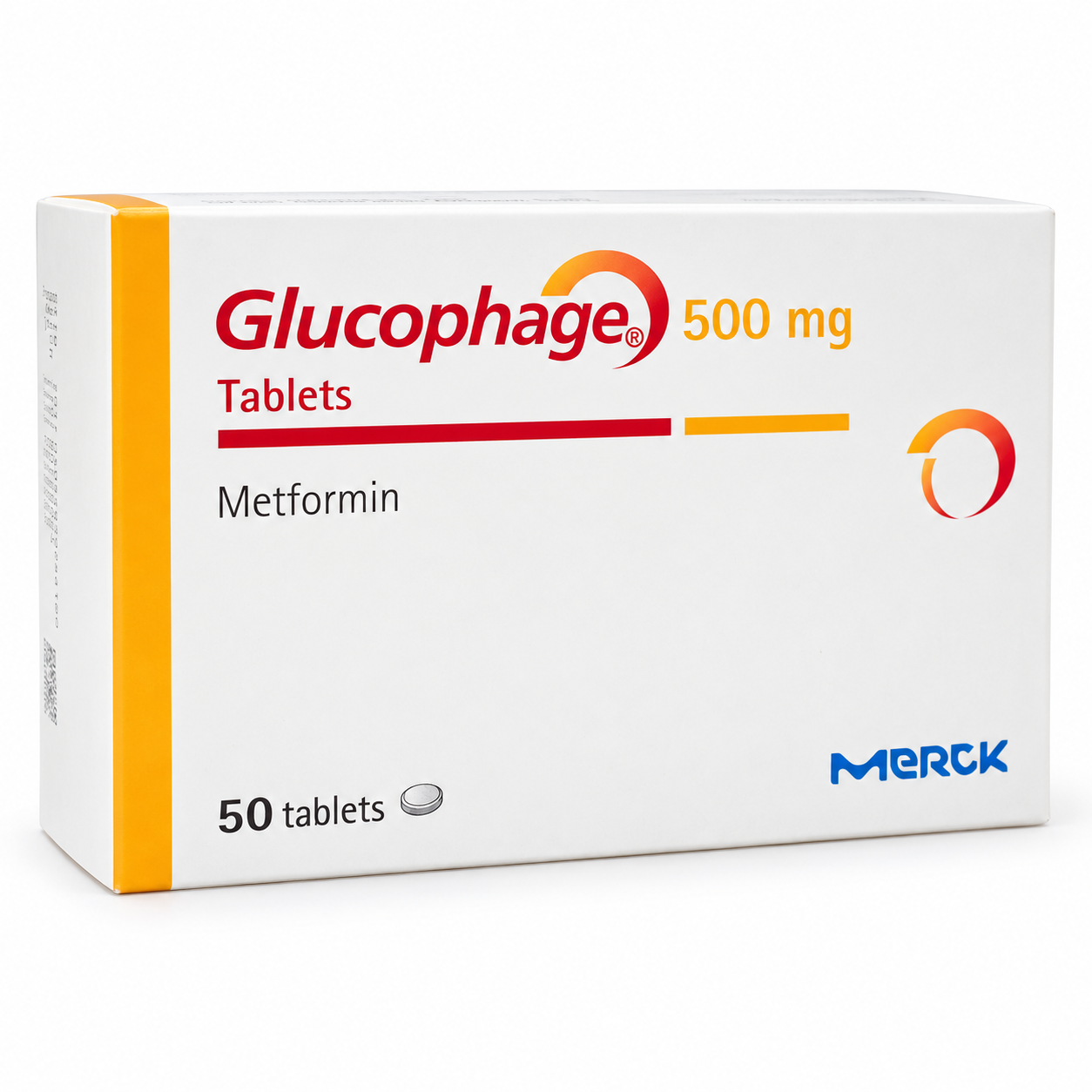
Illustrative packaging. Confirm the actual manufacturer, labelled medicine and pack size before purchase.
Metformin Tablets — Pack Sizes & Prices
Open your prescribed strength and select the authorised tablet quantity. Prices are listed in USD. Your selected product appears in the summary below.
Metformin 500 mg5 packs +
| Choose your pack | Per tablet | Pack price |
|---|---|---|
| $0.35 | $31.86 | |
| $0.30 | $35.54 | |
| $0.24 | $42.90 | |
| $0.21 | $50.26 | |
| $0.18 | $64.99 |
Metformin 850 mg4 packs +
| Choose your pack | Per tablet | Pack price |
|---|---|---|
| $0.43 | $39.01 | |
| $0.29 | $52.01 | |
| $0.24 | $65.01 | |
| $0.22 | $78.02 |
Metformin 1000 mg5 packs +
| Choose your pack | Per tablet | Pack price |
|---|---|---|
| $1.12 | $33.73 | |
| $0.87 | $52.14 | |
| $0.74 | $88.94 | |
| $0.68 | $162.54 | |
| $0.66 | $199.33 |
Metformin 1000 mg · 30 tablets
$33.73 pack total $1.12 per tablet · USD
Metformin 1000 mg · 60 tablets
$52.14 pack total $0.87 per tablet · USD
Metformin 1000 mg · 120 tablets
$88.94 pack total $0.74 per tablet · USD
Metformin 1000 mg · 240 tablets
$162.54 pack total $0.68 per tablet · USD
Metformin 1000 mg · 300 tablets
$199.33 pack total $0.66 per tablet · USD
Metformin 850 mg · 90 tablets
$39.01 pack total $0.43 per tablet · USD
Metformin 850 mg · 180 tablets
$52.01 pack total $0.29 per tablet · USD
Metformin 850 mg · 270 tablets
$65.01 pack total $0.24 per tablet · USD
Metformin 850 mg · 360 tablets
$78.02 pack total $0.22 per tablet · USD
Metformin 500 mg · 90 tablets
$31.86 pack total $0.35 per tablet · USD
Metformin 500 mg · 120 tablets
$35.54 pack total $0.30 per tablet · USD
Metformin 500 mg · 180 tablets
$42.90 pack total $0.24 per tablet · USD
Metformin 500 mg · 240 tablets
$50.26 pack total $0.21 per tablet · USD
Metformin 500 mg · 360 tablets
$64.99 pack total $0.18 per tablet · USD
Pack selection only. No order or payment is submitted here. Prescription verification and final supply must be completed by an authorised pharmacy.
Buy Metformin Online — Choose Your Prescribed Tablet Pack
Buy metformin online with a clear view of the medicine pack you are selecting. The product table places the tablet strength, authorised quantity and listed price together. Start from your current prescription, open the correct strength panel and choose the matching tablet count. The summary underneath the prices then displays the selected metformin pack and its medicine total.
This is a product page for people shopping for metformin tablets. It keeps purchase details near the top and essential medicine information lower down. You can review pack sizes, record the displayed total and return to the table through the compact navigation. The selector supports product planning; it does not issue a prescription or place an order.
Keep the medicine form and strength exactly as written on the prescription. Metformin products can have specific release formulations. A milligram value alone does not identify every feature of a supplied tablet. Ask the pharmacy to confirm the prescribed release formulation before using a listing as the basis for a purchase, particularly when the prescription or previous label includes additional letters or wording.
Your Metformin Product Record
A useful purchase enquiry includes metformin, its prescribed release formulation, the tablet strength and the authorised tablet quantity. Add any brand or manufacturer requirement from the prescription. Keep the selected pack total with that description so a later question refers to a particular product row, rather than a price without a strength or quantity.
Glucophage is the brand reference used on this page. The actual product supplied must be identified by the dispensing pharmacy. If your prescription names a particular brand or formulation, give the pharmacy that information before accepting supply. The image is an illustrative medicine presentation and does not establish the manufacturer or release characteristics of the eventual dispensed pack.
Metformin Tablets for Sale — 500 mg, 850 mg and 1000 mg Packs
The metformin selector organises the listed packs under 500 mg, 850 mg and 1000 mg headings. These values describe the strength of an individual tablet in the catalogue listing. They do not determine a dosing schedule or authorise a change to your prescription. Select the strength that matches the current prescription and have the pharmacy confirm the exact formulation.
Buy Metformin 500 mg Tablets
For a prescription specifying metformin 500 mg tablets, open the 500 mg panel and review the available quantities. Each row gives the tablet count, unit amount and total medicine price. Select the authorised quantity and read the resulting summary. Keep “500 mg” with the medicine name whenever you record the pack or ask the pharmacist about the listing.
If your prescription contains a release-form instruction, include it with the 500 mg description. The price row is a pack reference, and the dispensing confirmation must resolve the exact supplied formulation. Do not assume that a similar looking carton or a familiar brand name establishes a match. Product identification belongs in the purchase enquiry before any transaction.
Buy Metformin 850 mg Tablets
The 850 mg panel provides the listed metformin packs at that strength. Use it when the current prescription specifies 850 mg tablets. Read the tablet quantity and total on the same row, then check that both appear correctly in the summary. A larger tablet count does not change the strength or extend the quantity your prescription authorises.
When arranging a refill, keep the current dispensing label available and confirm that 850 mg remains the prescribed strength. If the clinician has changed an instruction, bring the updated prescription into the enquiry. A previously purchased pack is a reference for identification, while the current authorised product determines the next supply.
Buy Metformin 1000 mg Tablets
Open the 1000 mg section if that strength is specified for your prescribed product. Review the pack quantity before selecting a row, and confirm the release formulation with the pharmacist. The selector records the listed medicine price for the chosen quantity. It does not provide permission to substitute strengths, split tablets or alter how the medicine is taken.
If the authorised tablet count is not listed, ask the dispensing pharmacy how the prescription can be fulfilled. Keep that question tied to the exact form and strength. Catalogue quantities do not determine treatment duration. The suitable purchase selection is the product that corresponds to the prescription and can be confirmed for authorised dispensing.
Buy Glucophage With the Required Product Details
People searching for buy Glucophage need the same clear purchase fields: prescribed product name, formulation, strength and tablet quantity. Keep a brand requirement explicit if it appears on the prescription. The pharmacy should identify the actual manufacturer and labelled product before supply, so the purchase confirmation can be checked against the intended metformin medicine.
The reference image helps present the medicine category, but it is not a guarantee of a particular carton or manufacturer. Written product information has a separate role from the photograph. Use the selector for quantity and listed price, and ask the pharmacist to confirm the actual supplied pack, release formulation and patient leaflet.
Keep Formulation Details With the Pack Choice
When you buy metformin, a complete description should preserve every relevant word from the prescription. Include the release-form wording rather than reducing the request to “metformin tablets”. If anything is unclear, ask for a specific product confirmation before selecting a pack for a planned purchase. A catalogue page cannot settle an unresolved formulation question.
For a repeat supply, use the current label to organise your enquiry and keep any newer clinician instructions with it. Ask whether the proposed product meets the prescription exactly. If a different manufacturer is proposed, request the identifying product details and clarification of any prescription requirement. Resolve the product question before accepting supply.
Metformin Online Prices and Pack Selection
When looking for where to buy metformin, begin with a product listing that attaches the price to a specific pack. Here each price row includes a strength and tablet count. The unit amount describes an individual tablet, while the total describes the listed medicine quantity. The selected summary keeps these details visible together beneath the tables.
The Listed Metformin Pack Total
Record the displayed total for the chosen pack. Unit amounts can be rounded, so multiplying a displayed unit figure by the tablet count may not reproduce the printed total exactly. Keep the total shown in the row with the product description. It is the clearest reference for an enquiry about that particular listing.
The medicine pack amount is not a complete delivered quote. Confirm any consultation, dispensing, delivery or other charges separately before making a transaction. No payment is collected here, and the selector does not submit an order. It lets you organise the prescribed product and its listed medicine price before a pharmacy confirms the final supply.
Choose a Pack and Check the Summary
Open the panel for your prescribed strength, choose the authorised tablet quantity and check the summary below it. Review the medicine name and strength, then the quantity and listed total. If you select another row, use the newly displayed summary for your record. Simply opening a strength panel leaves the selected row unchanged.
Keep the product record available when asking the pharmacy a question. Include the release formulation and any brand requirement along with the selected table fields. This helps connect the listing to the exact product being confirmed, without relying on a short search phrase or the appearance of the image.
Prepare Your Metformin Purchase or Refill
A planned metformin purchase should follow the current prescription. Confirm the authorised strength, formulation, quantity and any remaining refill permission. Ask the dispensing pharmacy to identify the actual product and complete charges before you commit. A visible price row does not confirm stock or guarantee that a prescription can be filled.
Check the Supplied Product Information
On receipt, read the medicine name, strength, instructions and tablet quantity on the label. Keep the accompanying patient leaflet and original packaging. If the supplied formulation or instructions are unexpected, ask the pharmacist before use. An online product record is useful for checking the pack, but the labelled prescription remains the instruction for your medicine.
The medicine section below provides essential metformin information after the commercial product details. Use the navigation to reach it or return directly to prices. Keep medical questions with the clinician or pharmacist who can review your actual prescription. Once the product is confirmed, retain the complete description and the final supply information for your records.
Return to Metformin Packs and Prices
Review the matching strength panel and authorised quantity whenever you need the selected pack details again. The row and summary give you a consistent reference for the listed medicine amount. A complete metformin purchase enquiry begins with the exact prescribed product and ends with a clear dispensing confirmation.
Choose Your Metformin Pack With Confidence
1. Product
Confirm Metformin, the oral tablet form and the exact strength written on your prescription. Keep any manufacturer or brand requirement with those details so the pharmacy can identify the intended supplied product.
2. Pack
Open the matching strength panel and select the tablet quantity authorised for you. The row describes a medicine pack. Your prescription separately determines when and how the tablets should be taken.
3. Price
Read the pack total and the unit price together. The selected summary reproduces the figures on that row, so you can keep a clear record of the product and quantity you are reviewing.
4. Supply
Before completing a purchase, have the authorised dispensing pharmacy confirm the prescription, exact product and complete charges. Selection here does not place an order or guarantee that a prescription will be supplied.
Keep the Product Details Together
When you buy metformin, small differences in the product description matter. The strength is the amount stated for an individual tablet. The pack quantity is the number of tablets in the listing. The pack total is the medicine amount displayed for that selection. Keeping these fields together prevents a shorthand request from losing information that the pharmacist needs.
You may want to record the selected row before asking a question or arranging a refill. Include the medicine name, the strength in milligrams and the tablet count. If your prescription has a brand or formulation requirement, include that too. This record is useful when checking that a later supply confirmation refers to the same metformin product.
Product Availability and Final Supply
The presence of a price row is not a live stock confirmation. Before any transaction, the dispensing pharmacy must confirm that the exact prescribed product can be supplied to you. This page does not invent warehouse quantities, dispatch deadlines or eligibility guarantees. The selector is a product-planning tool with specific pack data.
If a pharmacy needs clarification of the prescription, resolve that clarification before changing your chosen product. An unavailable quantity does not authorise a different strength or a different medicine. Ask how the prescription can be fulfilled and keep the answer with your product record. The correct metformin selection remains the one that matches the authorised supply.
Check the Labelled Product on Receipt
Read the medicine name, strength, instructions and quantity on the dispensing label before use. Keep the accompanying patient leaflet. If anything is unexpected or difficult to understand, ask the pharmacist before taking a dose. A difference in appearance can have several explanations, so identify the actual manufacturer and labelled product instead of relying on a catalogue illustration.
Retain the original labelled packaging while you use the medicine. It helps preserve the instructions and product identification for later questions. If you are organising medicines into a separate container, first ask your pharmacist whether that is suitable for the particular supplied product. Clear identification remains useful after the purchase as well as during selection.
Metformin — Essential Medicine Information
Metformin is a prescription biguanide used in type 2 diabetes care. It helps lower blood glucose through several effects on glucose handling and insulin response. Product form matters: regular and extended-release tablets have different instructions. Select only the medicine and formulation prescribed, and do not infer a treatment plan from a pack size.
Precautions and Symptoms to Discuss
Kidney health and other medical conditions require review. Metformin can rarely cause serious lactic acidosis. Tell your clinician about severe illness, dehydration, alcohol use and planned procedures. Seek urgent care for marked weakness, unusual muscle pain, difficulty breathing or other concerning symptoms. Medicines used with metformin also need review.
Using and Keeping Your Supplied Medicine
Take the medicine according to the label and continue the agreed glucose monitoring and follow-up. Extended-release tablets should not be crushed, split or chewed. Ask your pharmacist about the actual formulation, food instructions, missed doses, storage and any unexplained change in the supplied product.
General medicine information cannot determine whether this prescription is suitable for you. Ask your pharmacist for the product-specific patient leaflet and follow your prescriber’s instructions.
Buying Metformin Online — Product Questions
How do I choose a metformin pack on this page?
Use the strength stated on your prescription to open the matching price panel. Each row gives a tablet count, a unit amount and a total pack price. Select the row with the quantity authorised for you. The summary below the tables will show that selected metformin strength, tablet count and listed total. You can change a selection by choosing another row; revealing a panel alone does not submit or change an order.
What is included in the displayed pack price?
The figure is the listed price of the medicine pack shown in that row. It is not a payment request or a final delivered quote. Any dispensing, consultation, delivery or other charges must be confirmed by the pharmacy before a transaction. The unit amount may be rounded, so keep the printed pack total with the selected strength and quantity when recording the product details.
Can I buy metformin simply by selecting a row?
No order is submitted by the selector. It lets you review the tablet packs and the medicine amount associated with each listing. Metformin supply must follow an appropriate prescription and authorised pharmacy dispensing. Before completing a purchase, confirm the exact product, permitted quantity and complete charges. This page does not collect payment, run an eligibility assessment or issue a prescription.
Does the product image show the exact pack I will receive?
The image is an illustrative medicine presentation. A supplied carton, manufacturer, tablet appearance or pack size may differ. Use the written row for the selected strength and quantity, then ask the pharmacist to identify the product actually dispensed. If a particular brand or manufacturer is required by your prescription, communicate that requirement before accepting supply rather than assuming that the illustration confirms it.
Can I choose a quantity that is different from my prescription?
The authorised prescription quantity remains the starting point. If it is not among the listed metformin packs, ask the dispensing pharmacist how it can be supplied. A catalogue quantity does not extend the prescription or determine treatment duration. Do not select a different strength to create the quantity you wanted. Keep the product question specific to the prescribed form, strength and authorised tablet count.
What should I check when arranging a metformin refill?
Keep your current prescription or dispensing label available. Confirm the product name, strength, quantity and whether a refill remains authorised. Also keep any updated instructions from your clinician with the record. If the pharmacy proposes a different manufacturer or package, ask for the exact product information. A prior purchase does not automatically confirm that a current prescription can be filled in the same amount.
Where can I find the medicine information after selecting a pack?
The metformin medicine section is directly below the commercial product details. Use the compact page navigation to reach it without leaving this page. It provides a short overview and key precautions, while the supplied patient leaflet and your own prescription remain the detailed instructions for your product. Keep medicine questions with the pharmacist or prescriber who can address the actual prescription and your circumstances.
What if the selected product details do not match the pharmacy confirmation?
Pause the purchase and ask the pharmacist to clarify the discrepancy. Give the full selected description, including Metformin, the tablet strength and tablet count, together with your prescription. A product page cannot resolve a mismatch in the supplied medicine or instructions. Once the exact authorised product is confirmed, review the corresponding listing again and keep the final pharmacy information with your records.
Medical Reviewer

Medically reviewed by
General internal medicine and preventive medicine
Medical review completed August 27, 2026
The original medical reviewer card and August 27, 2026 review date are retained from the prior clinical edition. Product and commercial content updated October 4, 2026; this update does not represent a new medical review. Essential medicine information checked against MedlinePlus drug information.