
Cost and coverage planning
Fluconazole cost and insurance questions are easier to answer when each charge is recorded separately. The medication, clinical service, plan rules, dispensing pharmacy, and any follow-up can be billed through different channels. A useful estimate compares the same prescription details and asks who is responsible for each component before the fill is completed.
This page begins after a clinician has made a prescribing decision. For the wider sequence of payment, product, and fulfillment choices, use the broader fluconazole cost and access pathway.
Separate the fluconazole cost components first
A bottle price is only one line in the record. The clinical service may use a medical benefit, the medication claim may use a pharmacy benefit, and a cash quote may bypass the plan entirely. If those amounts are mixed together, a cheaper-looking option can be compared with a different product, quantity, pharmacy network, or service package.
Start from the actual prescription. The DailyMed prescribing information identifies fluconazole as a prescription medicine and provides product-label facts that belong in the clinical and dispensing record. The cost worksheet should copy the product name, dosage form, strength, quantity, and directions exactly as supplied by the prescriber or pharmacy. It should not convert those facts into a dosing recommendation.
| Component | What changes it | Who confirms it | What to record |
|---|---|---|---|
| Medication | Product, form, strength, quantity | Dispensing pharmacy | Matched cash and plan quotes |
| Health-plan claim | Formulary, network, plan rule | Member services | Tier, restriction, member amount |
| Clinical service | Benefit type and network status | Clinic and insurer | Included work and patient responsibility |
| Follow-up | Individual clinical need | Clinical team | Next step and billing channel |
| Fulfillment | Pickup, delivery, stock, transfer | Licensed pharmacy | Final terms before dispensing |
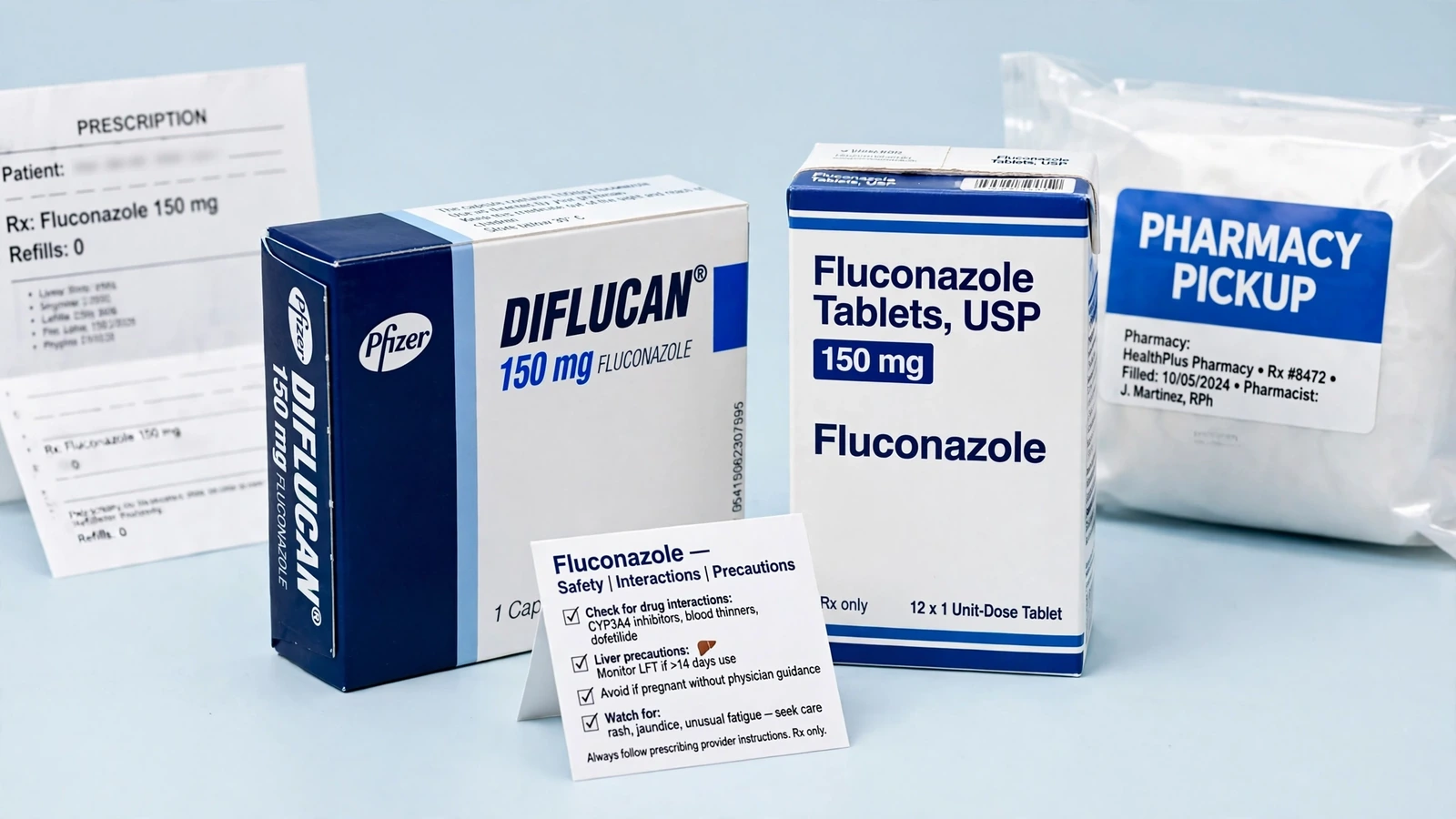
Cash and insurance answer different questions
HealthCare.gov explains that prescription coverage is organized through each plan’s formulary and pharmacy network. That means “covered” is not a complete price answer. The member still needs the applicable tier, deductible status, network rule, and any utilization requirement. A plan amount is useful only for the current benefit period and the precise prescription submitted.
When the plan claim is used
Ask the pharmacy to process the current prescription through the active plan. Record the member amount, claim status, pharmacy network status, and any message returned by the plan. If the claim is rejected, preserve the reason rather than treating the first result as a final coverage decision.
When a cash quote is compared
Request a quote for the same product, form, strength, and quantity. Confirm whether a discount arrangement changes how the transaction is reported to the health plan. A cash transaction may not count toward plan spending, and its terms can differ from a processed insurance claim.
The comparison should be written as two columns, not remembered from two phone calls. Include the date, pharmacy identity, product details, quoted amount, and conditions. A quote from a different day or for a different quantity is not a clean comparison.
Build an insurance record that can be checked
Before contacting the plan, open the current member card and plan documents. HealthCare.gov directs members to the plan’s covered-drug information and insurer materials. Medicare also describes plan tools such as prior authorization, step therapy, and quantity limits. These rules are plan-specific; their existence does not establish that a particular rule applies to one fluconazole claim.
- Member and group identifiers from the active card
- Exact fluconazole product details from the prescription
- Current formulary entry and listed restrictions
- Preferred and in-network pharmacy requirements
- Deductible or coverage-stage information shown by the plan
- Claim code or explanation from the pharmacy
- Name and reference number for each plan contact
Do not place diagnostic details in a general pricing note unless the insurer’s secure process requires them. The clinical team should handle medical-necessity information through the proper channel. The patient’s cost worksheet needs enough detail to trace the administrative decision, not a copy of the entire medical record.
Translate a rejected claim into one next action
A rejection at the pharmacy counter is an administrative result, not an explanation by itself. The useful question is why the plan did not pay the claim as submitted. Medicare’s drug-plan materials describe several possible plan rules, while CMS documents the formal coverage-determination process for Medicare prescription drug benefits. Other plans use their own procedures and deadlines.
| Message type | First check | Responsible party |
|---|---|---|
| Product mismatch | Form and identifiers | Pharmacy |
| Pharmacy network | Current network listing | Plan and pharmacy |
| Plan restriction | Exact rule and required record | Plan and prescriber |
| Coverage exclusion | Current formulary and determination path | Plan |
Ask for the exact message, the submitted product information, and the next accepted action. Avoid asking the pharmacist to predict the outcome of a coverage request. The plan decides its benefit, the prescriber supplies clinical information when appropriate, and the pharmacy corrects dispensing or claim-entry problems within its role.
Turn scattered quotes into a usable estimate
-
Freeze the prescription details
Copy the same product, form, strength, quantity, and directions onto the worksheet before seeking any quote.
-
Run one plan claim
Use an in-network pharmacy and record the returned amount, claim status, and restriction message without paraphrasing it.
-
Request a matched cash quote
Compare the identical prescription and document whether the transaction will be outside the insurance benefit.
-
Add care and fulfillment costs
Include confirmed clinical-service responsibility and any stated pickup, delivery, transfer, or follow-up expense.
-
Resolve the largest uncertainty
Contact the plan, pharmacy, or clinical team that owns the unanswered item before selecting the payment route.
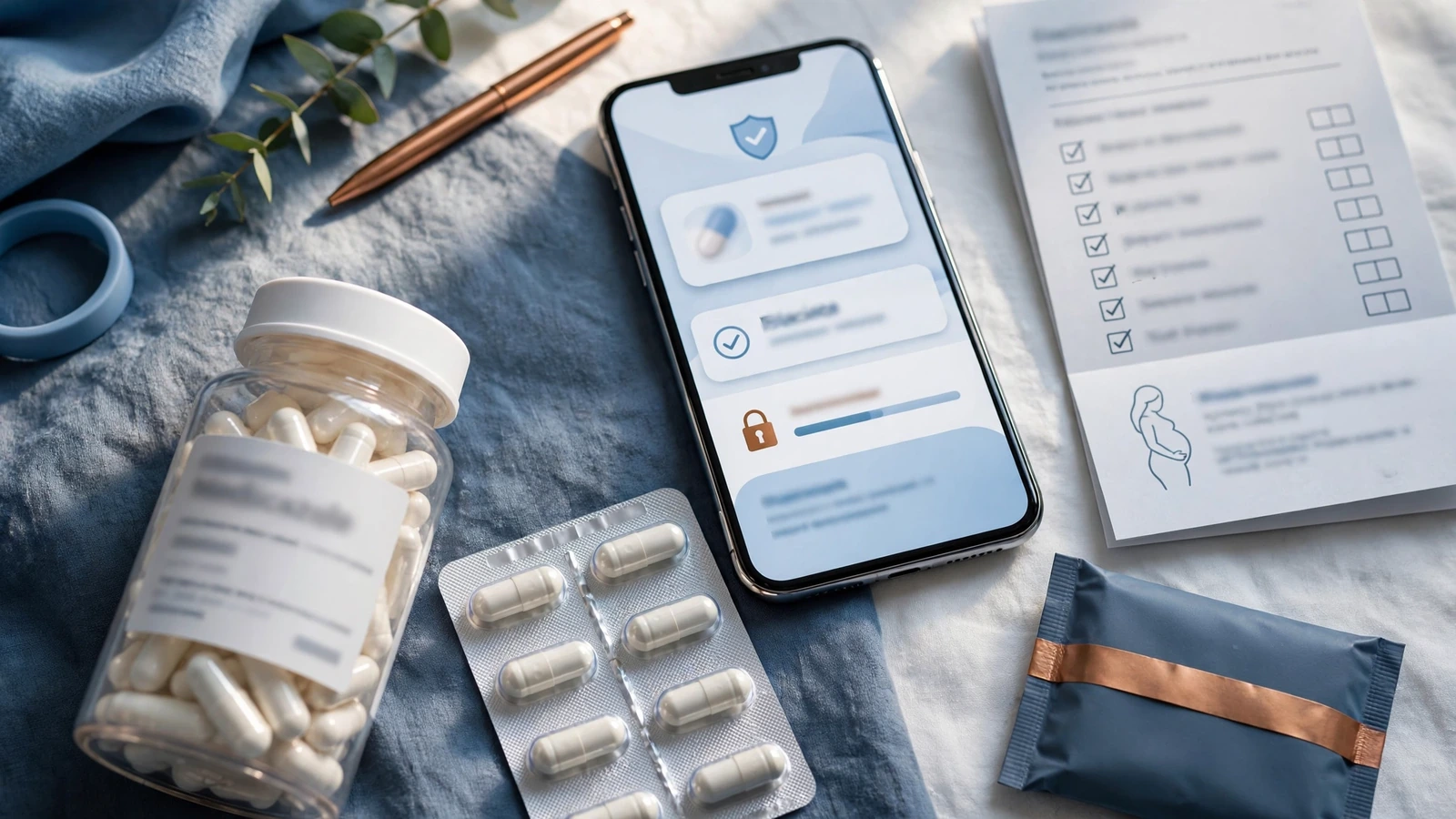
Price comparison and pharmacy verification remain separate
The FDA’s BeSafeRx program advises patients to confirm that an online pharmacy requires a prescription, provides access to a licensed pharmacist, and is licensed by the relevant state board of pharmacy. A low quote proves none of those facts. Likewise, a verified license does not promise coverage, stock, a particular price, or a specific delivery date.
Before relying on a quoted medication price, readers should understand how to verify the dispensing pharmacy and separate price comparison from pharmacy legitimacy. Keep the pharmacy’s legal name, physical location, state-license record, telephone number, and pharmacist-access method beside the quote. If those records point to different businesses, pause the transaction until the identity is resolved.
Product identity can change the coverage conversation
Insurance and cash comparisons must name the product being priced. A plan may display information differently for a brand name and a generic entry, while a pharmacy may quote the product it expects to dispense. The prescriber and pharmacist, not the cost worksheet, determine whether a proposed substitution matches the prescription and is appropriate.
Use the separate page on brand and generic fluconazole cost questions to organize product-identity questions. Return here after the compared quotes use the same confirmed product details.
Common questions about fluconazole cost and insurance
Does formulary status tell me the final amount?
No. Formulary status identifies how the plan lists the medicine, but member cost can also depend on the applicable tier, deductible, coverage stage, pharmacy network, product details, and plan rule. Ask the plan or pharmacy to process the exact current prescription.
Can a cash price be used instead of insurance?
A pharmacy can explain the available payment routes for the submitted prescription. Before choosing cash, ask whether the transaction will count toward plan spending and whether any discount terms replace, rather than supplement, the insurance benefit.
Why did a claim fail when fluconazole appears on the formulary?
The submitted product, quantity, pharmacy network, member information, or a plan rule may be involved. Obtain the exact rejection message and direct it to the party that owns the correction. Do not assume a medical-necessity request is required until the plan identifies that step.
Is the brand name always more expensive than the generic?
That cannot be assumed from the names alone. The relevant comparison uses current plan and pharmacy records for the same prescription. Product substitution and clinical suitability remain questions for the prescriber and pharmacist.
What should I keep after speaking with the insurer?
Record the date, representative, reference number, formulary entry, network requirement, stated member amount, applicable restriction, and next step. Keep the pharmacy’s claim message with that record so a later contact can trace the same issue.